Live
What Does It Take To Be a Direct Support Professional?
September 15, 2026
Three DSPS Share how they support PEOPLE to LIVE LIFE ON THEIR OWN TERMS
“Truthfully, I wouldn't tell just anybody to do this job."
That's how Destany Drift, an assistant manager at one of Living Opportunities' residential homes, answers when asked what it takes to be a Direct Support Professional (DSP).
"I would tell them you have to be compassionate, hardworking, trustworthy, silly, and have a sense of humor. You’re a go-getter, maybe a little ambitious, and a little bit of a risk taker," she said. "That would be the right fit for somebody looking to be a DSP.”
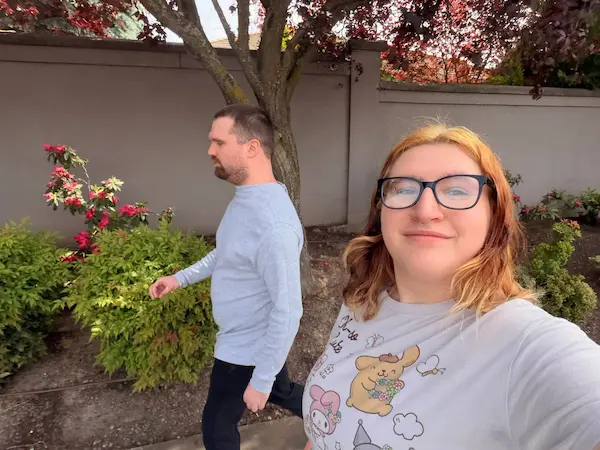
To better understand what the work means for both DSPs and the people they support, we talked with three DSPs who work in Living Opportunities' residential homes: Cierra McQuigg, Jazmyn Jenkins and Destany Drift.
There's No Such Thing As a Typical Day
"I think there's not a typical day, honestly," said Jazmyn Jenkins. There are routines, hygiene, meals, but what fills the rest of the day depends on what the people she supports are interested in that day. "Let's go to the movies. Let's go on a drive... you wanna look at the storms today? Let's go look at the storms," she said.
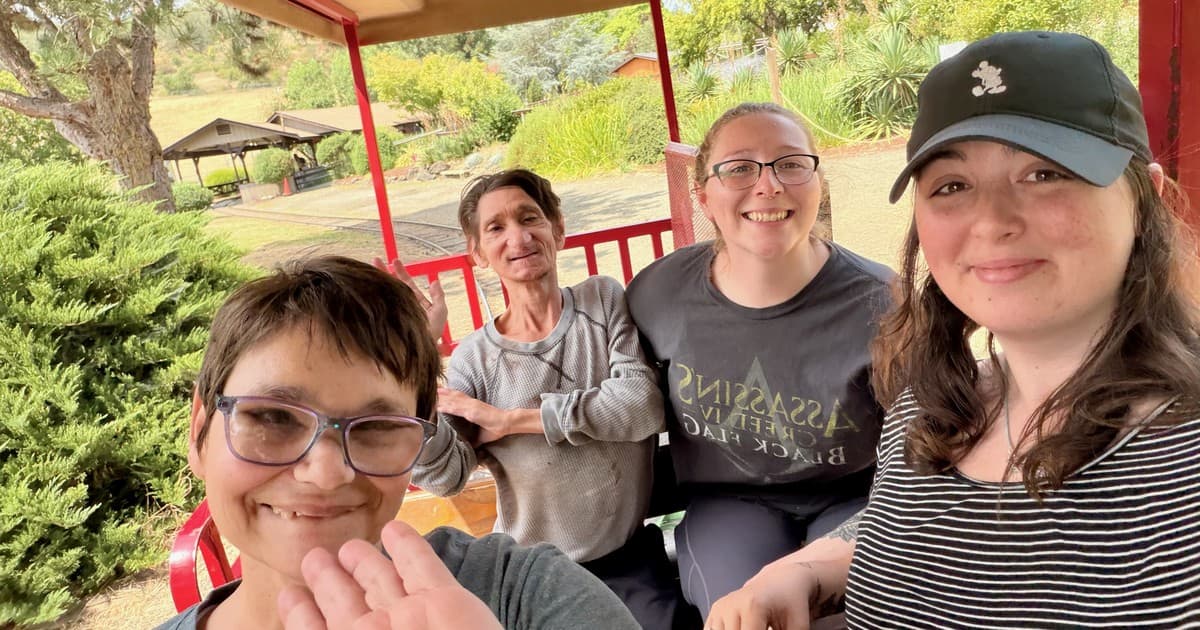
DSPs support people with intellectual and developmental disabilities through Living Opportunities, providing support wherever life happens: at home, at work, and in the community. DSPs also serve as Job Coaches, helping people find success and greater independence in employment. Depending on each person’s individual needs and goals, support may include medication management, personal care, shopping and meal preparation, transportation, building daily living skills, navigating the community, developing workplace skills, and supporting relationships and connections. Whatever the setting or level of support, the goal is the same: to help each person make choices about their own life, build greater independence, develop meaningful relationships, and fully participate in their community.
"We find things that the people we support love and they're interested in... let's plan to do that. Let's do that today."
— Jazmyn Jenkins, Direct Support Professional
Jazmyn Jenkins came to Living Opportunities five years ago, after growing tired of moving from job to job, wanting work that felt meaningful. "I wanted something that felt fulfilling and felt like I was making a difference," she said.
DSPs Support Independence
For Cierra McQuigg, one of the most rewarding parts of being a DSP is seeing someone accomplish something for themselves. The goal isn't for a DSP to do everything for the people they support. It's to provide the support that allows the person to do as much as possible on their own.
"Giving someone that sense of independence, and when they try, and they get it, I'm like, that's awesome," she said.
That approach also requires patience. Cierra said her work has taught her that things don't always happen on the timetable she might expect. "Things can go at their own pace," she said. "It doesn't have to be super quick or too slow. It just can go the way that it goes."
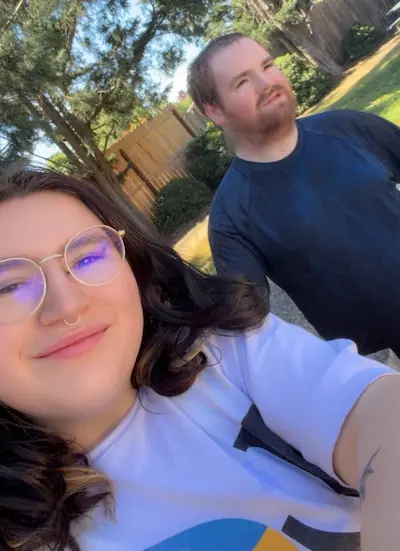
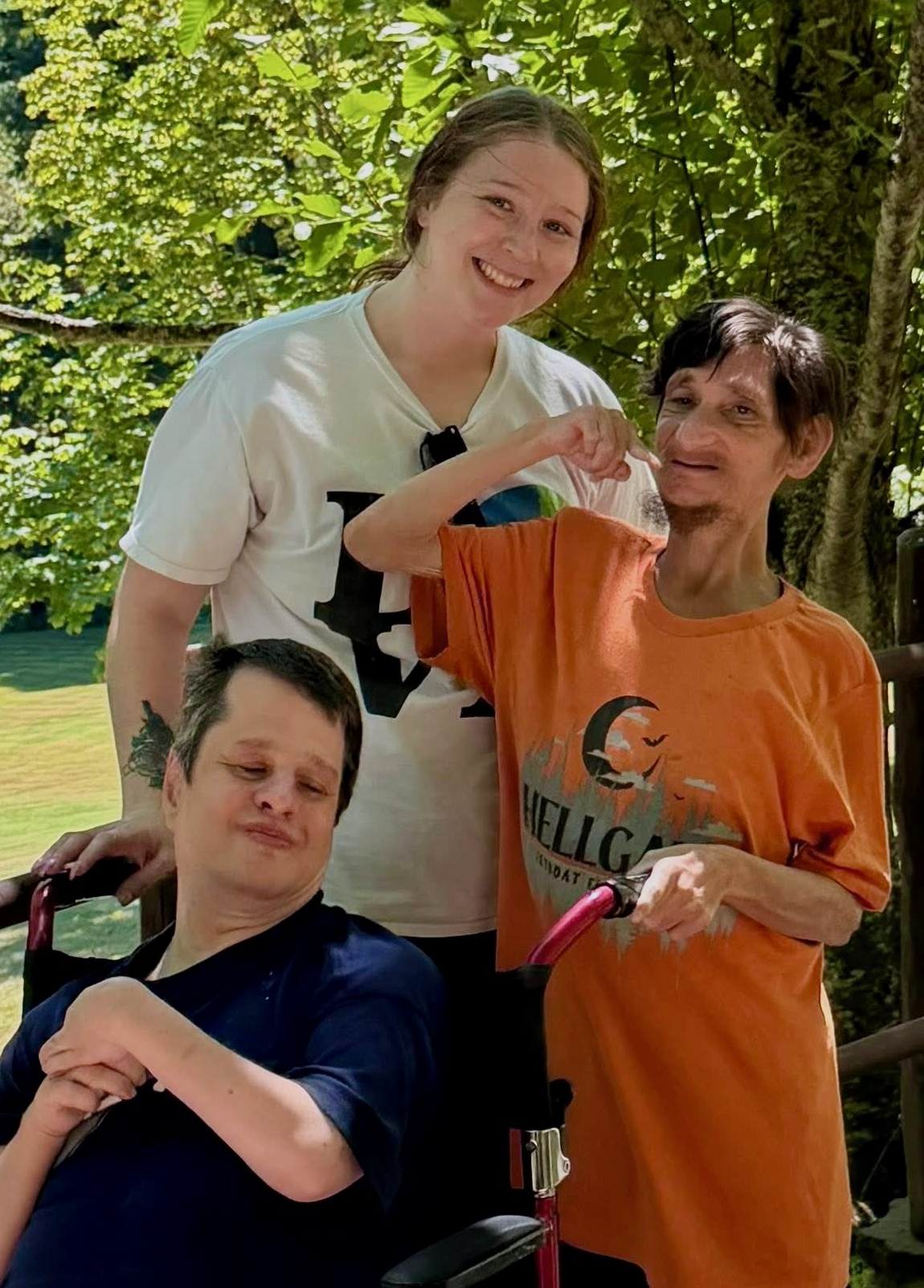

Cierra McQuigg, Jazmyn Jenkins, and Destany Drift all lean in to building authentic relationships with the people they support.
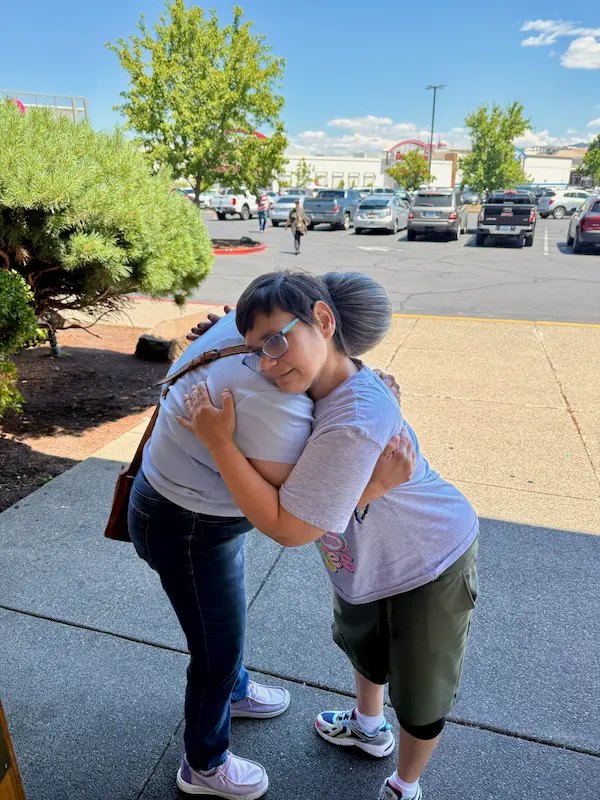
Karlie reconnects with a high school friend after running into her at Hope Equestrian Center.
Relationships are Part of the Work
"Being a DSP is about building trust, creating purposeful and sincere connections," Cierra said when asked what she wished more people understood about the job. "It's about being there for someone through the admirable and complex moments. We get to celebrate the little and big victories together."
Those connections can open doors to relationships that might otherwise never happen. Jazmyn shared the story of a woman she supports named Karlie. Karlie loves horses and regularly visits Hope Equestrian Center with her DSPs. After years of going to Hope, Karlie unexpectedly bumped into someone she had been friends with in high school. They were thrilled to reconnect, and since then, staff have helped them exchange contact information and make plans to spend time together.
"It's huge for her," Jazmyn said. "She loves her people." Although Jazmyn didn't create that friendship, she was there to support Karlie in being where she wanted to be, doing something she loved, and to let the connection unfold from there.
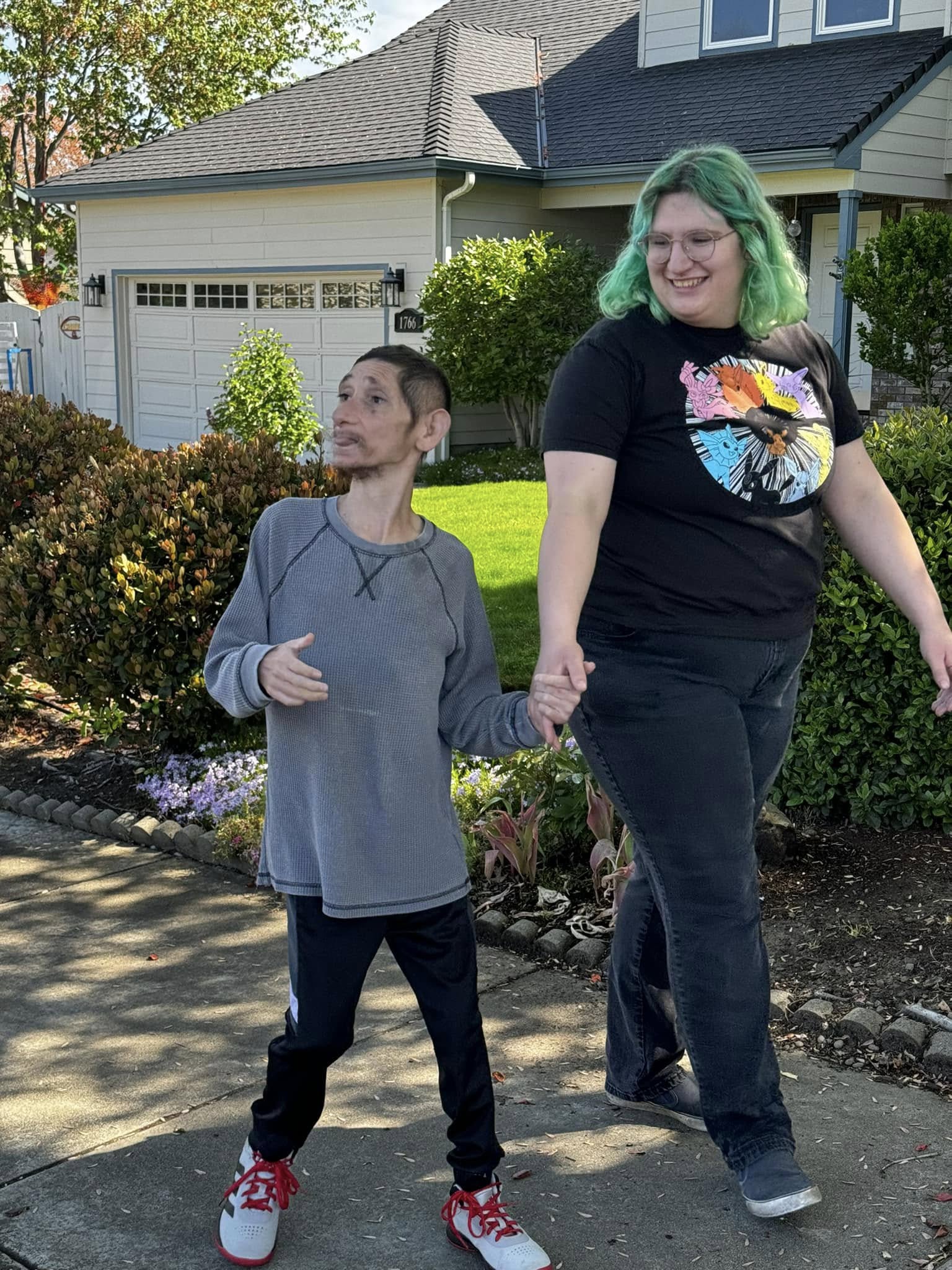
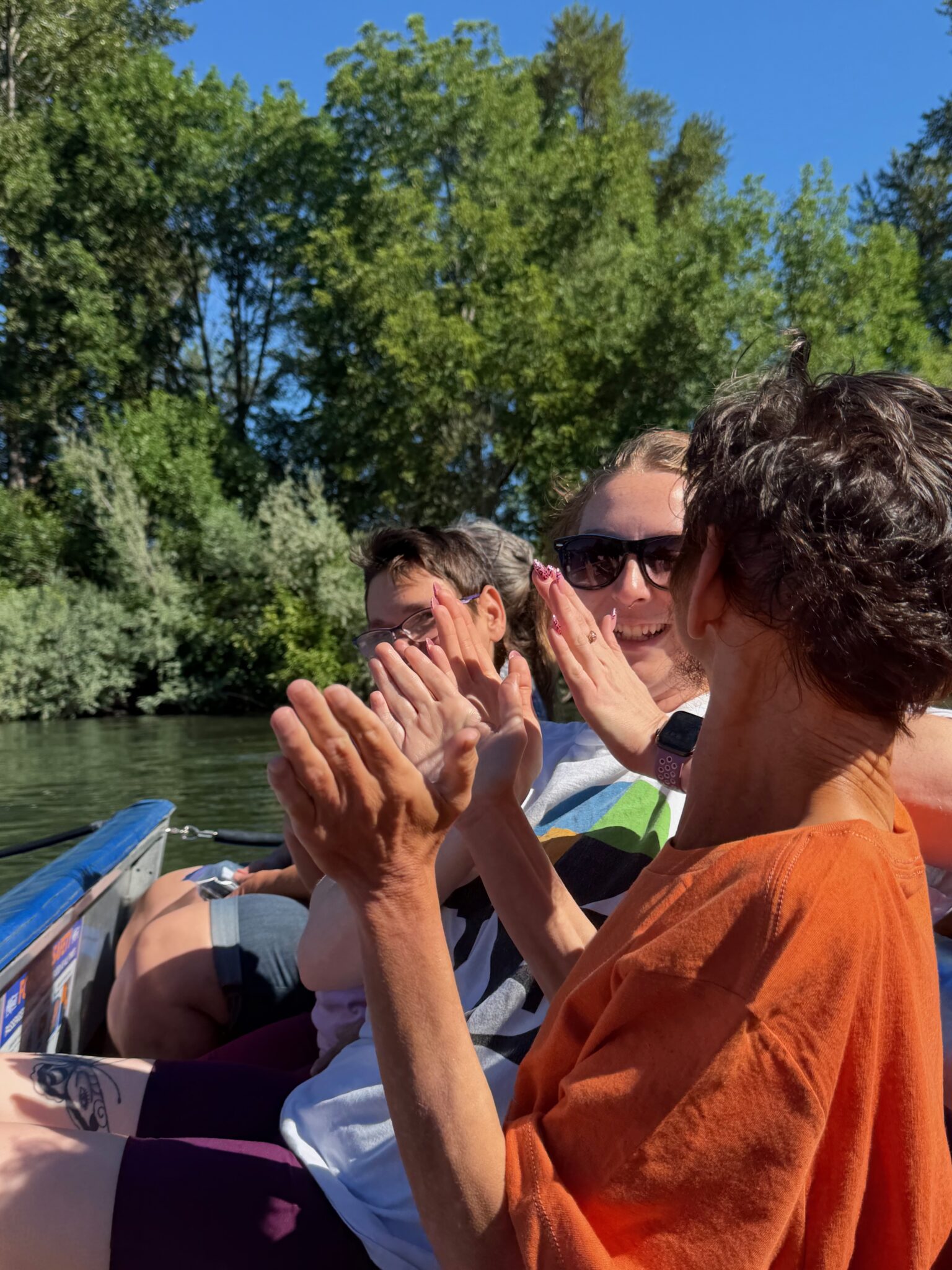
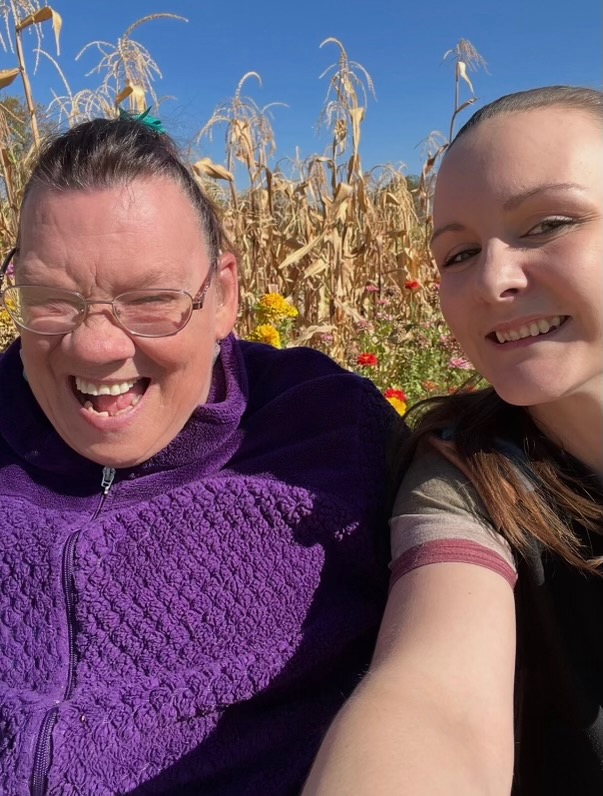
For Cierra, Jazmyn, and Destany, being a DSP is about more than providing basic support. It’s about building relationships,
sharing experiences, celebrating progress, and helping the people they support live full, connected lives.
Sometimes the role is about improving physical health. Destany described one man in her home whose physical health had been declining before he began working consistently with a DSP who is a health and wellness specialist. Together, they focused on exercise and diet.
“His health has changed,” she said. “Lab draws have changed... It’s tremendous. You’d be mind blown about it.”
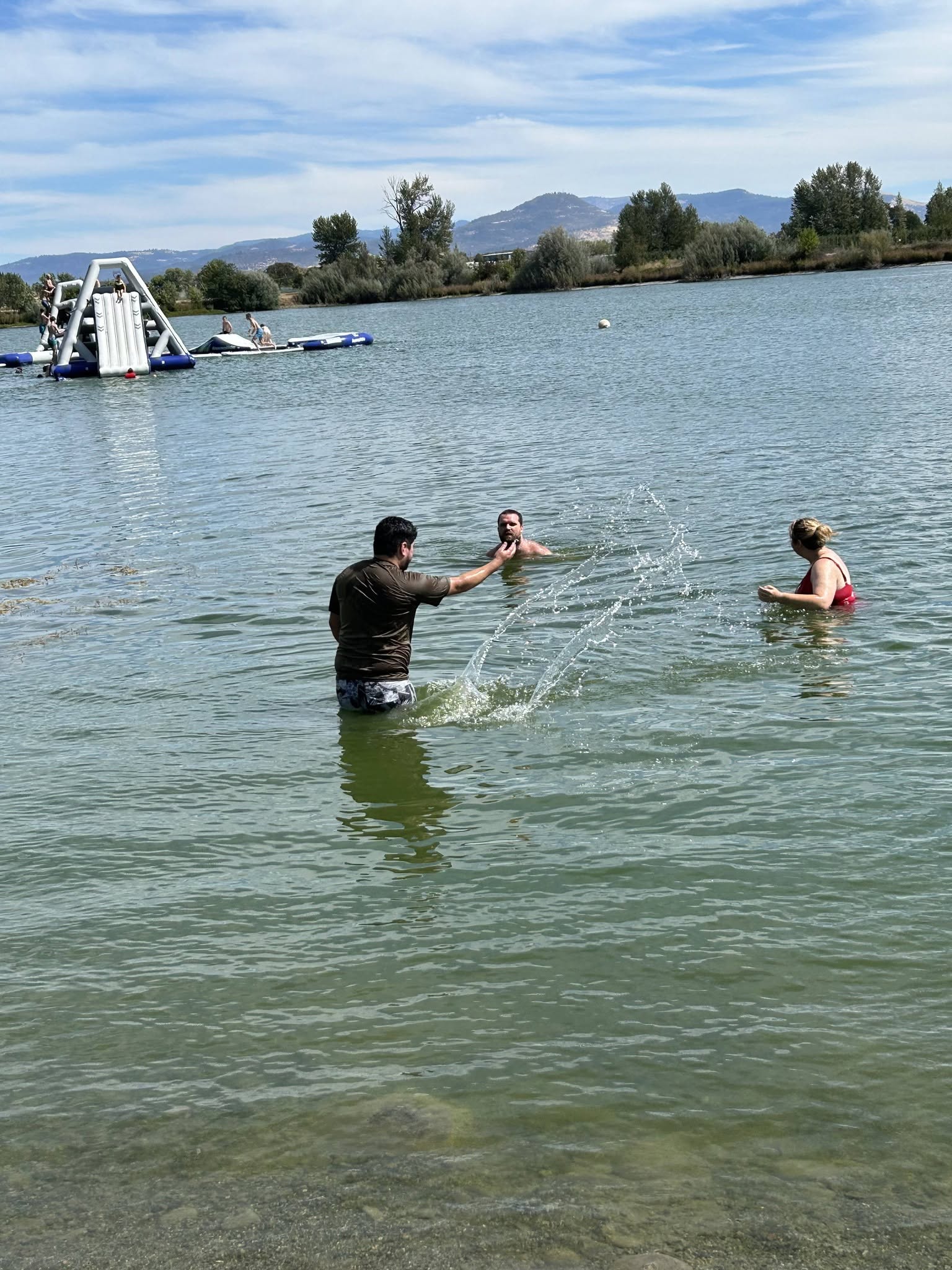
Sometimes, the role is all about finding joy. Cierra remembers taking one of the people she supports swimming at Discovery Park on the Rogue River. On one visit, they tried to climb onto a floating platform in the pond. They both lost their balance and ended up in the water together.
"He's laughing, I'm laughing, and we're having a great time. It was the greatest experience I probably had."
Cierra McQuigg, Direct Support Professional
"I am grateful for what this job has taught me," Cierra added, "and the relationships I've been able to build along the way."
Listen to What Isn't Said
None of this happens without real attentiveness, especially when communication isn't straightforward. Cierra works with people who communicate in ways that don't rely on spoken language, which means figuring out what someone needs without a spoken explanation to guide her. She's learned to read body language, facial expressions and changes in behavior instead. "I learned that we'll never fully understand," she said, "but it hurts them, not being understood."
Jazmyn described a similar process. A person who's frustrated may not be able to simply say, "Something is bothering me," so the work is to look past the behavior and ask what they might be trying to communicate. "If I was frustrated and I couldn't communicate that," she said, "how would I say something's really frustrating me?"
While a person's records can offer useful information about their background, Jazmyn says they don't tell the whole story.
"Get to know the person. Learn. Listen. Be patient. Don't jump all in, just be there, show up."
Jazmyn Jenkins, Direct Support Professional
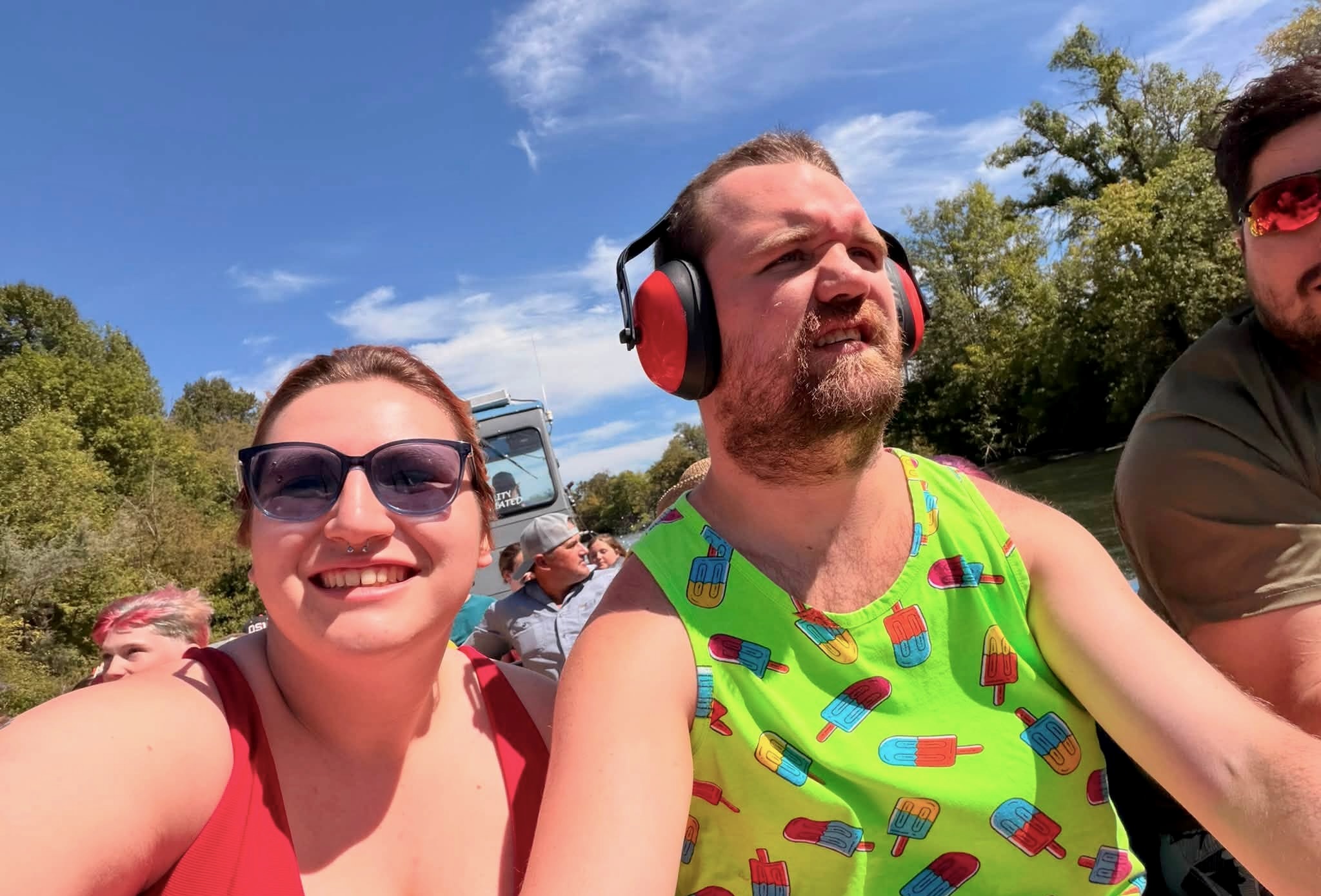
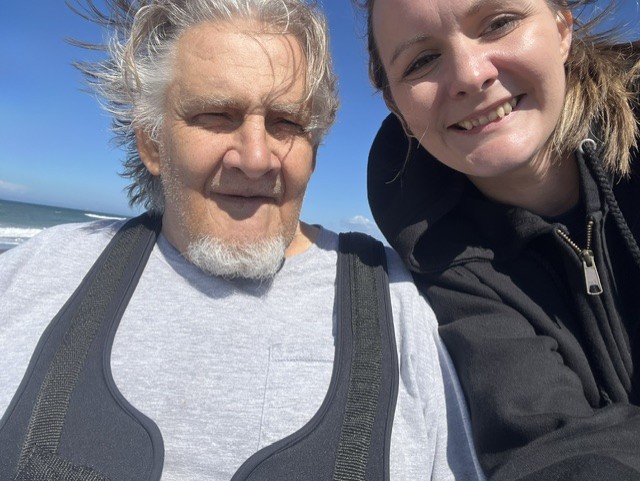
Cierra experienced one of the highlights of her life during a day spent with the people she supports at Discovery Park on the Rogue River
The People Doing the Work Change, Too
One of the most striking things about talking with Cierra, Jazmyn and Destany is how much they each described learning from the people they support.
Cierra said the job has taught her patience and changed the way she thinks about pace and progress. Jazmyn said it has made her less impulsive, in ways that carry over into her own life outside work.
“I think this job has built me up to be a better person to everyone around me and the people I support.”
— Jazmyn Jenkins, Direct Support Professional
For Destany, the work has reinforced something fundamental: "I think every human on this earth wants connection," she said.
That may be one of the unexpected things about becoming a DSP. You start out thinking about the difference you’ll make in someone else’s life, but over time, the work has a way of changing you too. It can shape how you understand people, communication, patience, relationships, and even yourself.
So What Does a DSP Do?
There isn't one answer. A DSP may support someone through a difficult moment, help someone communicate what they need, or step back so someone can try something on their own. They listen. They pay attention. They build trust. And along the way, they build relationships that shape both the people they support and themselves.
For Cierra, it means helping people "make their life as best as they can be, even if it's the little things." For Jazmyn, it means not just clocking in and out, but truly making a difference for the people she cares about.
When asked what she loves about being a DSP, Destany says, “The most rewarding part of this role is seeing people grow, gain a voice, and make choices for themselves.”
A DSP supports a person in living their own life, on their own terms. And sometimes, the most important part of the job is simply being there to help make that possible.
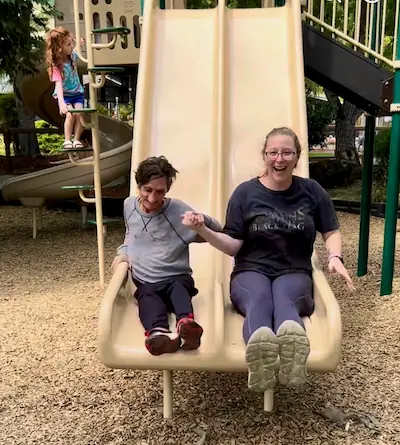
Five years in, Jazmyn has no plans to leave. "I don't know what I would do without this place," she said.
Learn More About Our Community
-
A New Electric Vehicle Hits the Road, Thanks to Pacific Power
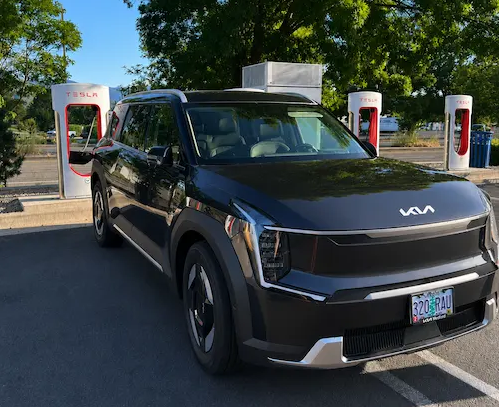
Thanks to an E-Mobility Grant from Pacific Power, Living Opportunities has put a new all-electric Kia EV9 and charging station into service at our Medford headquarters.
-
An Artist, a Collector, and the Story Behind Safari
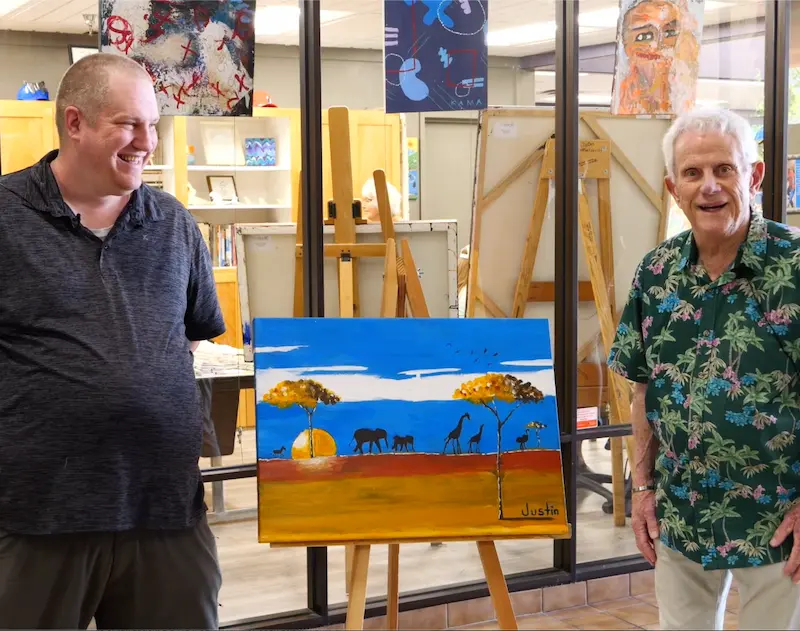
The Spring Art Show was full of beautiful artwork, but some of the most meaningful moments happened in the genuine conversations between artists and the people who connected with their work. Here’s one we won’t forget.
-
He Helped Shape Who We Are
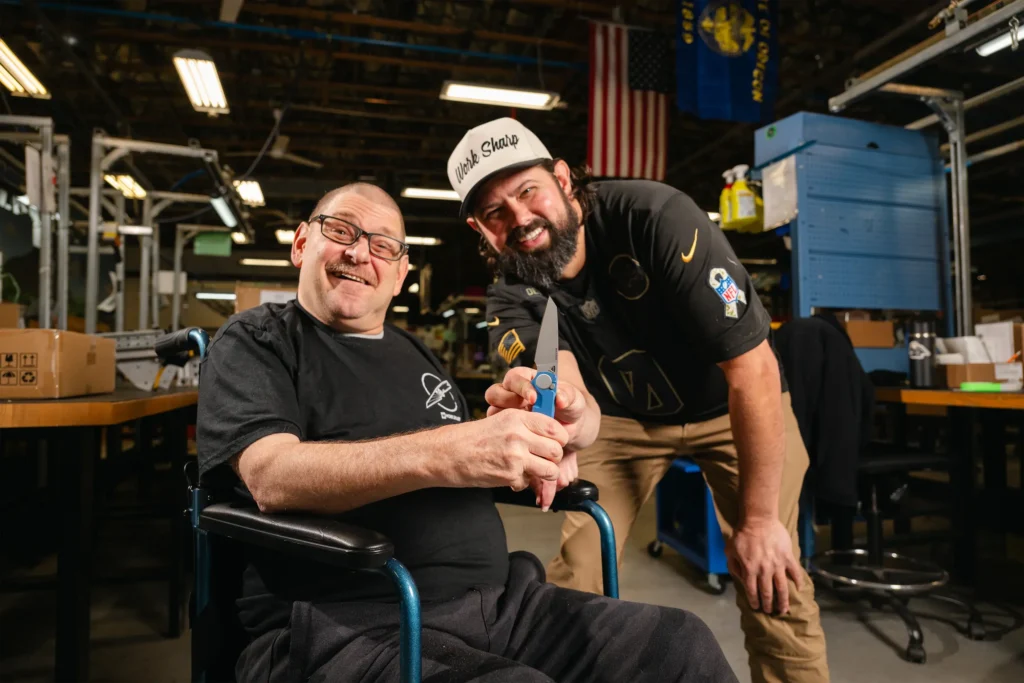
For 30 years, Doug has been part of the heart of Work Sharp’s production floor. A limited-edition knife created in his honor celebrates not just his work, but the culture of belonging and connection he helped build.