Live
The Work You Don’t See: Why Daily Community Connection Matters as Much as the Big Wins
August 12, 2026
THE EVERYDAY MOMENTS THAT BUILD CONNECTION, CONFIDENCE AND BELONGING
A round of mini golf at the family fun center. A birthday celebration with friends. Community art class. A visit to Wildlife Images. An outing to a new movie.
These moments may not make headlines, but they matter deeply.
At Living Opportunities, we often celebrate major milestones: moving into a home of one’s own, starting a new job, or reaching a long-held goal. Those achievements deserve recognition. Yet a full life is also built through the smaller, repeated experiences that help people discover what they enjoy, build relationships, gain confidence, and feel connected to their community.
For people with intellectual and developmental disabilities, access to everyday community life is not an extra. It is central to belonging.
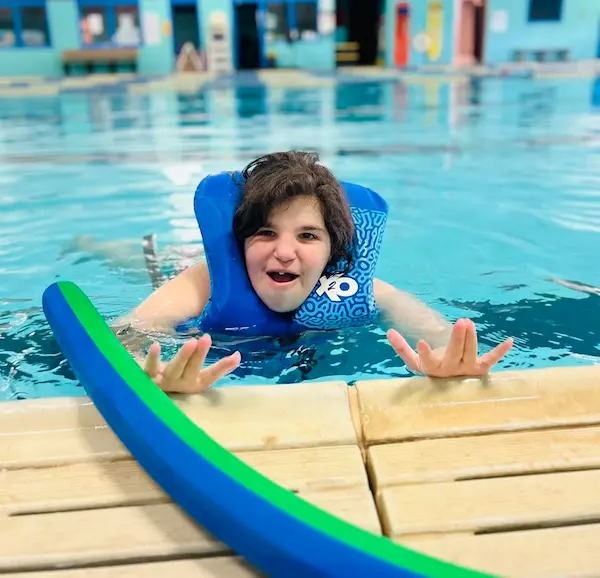
A day at the pool offers opportunities for exercise, confidence, connection, and joy.
A Human Experience, Not a Separate Service
Every day, Living Opportunities Direct Support Professionals, or DSPs, help people take part in the wide range of experiences the Rogue Valley has to offer. That may mean browsing the farmers market, catching a concert in the park, trying a new coffee shop, or simply getting out into the community.
Ann Dahl, Living Opportunities’ Director of Residential Living, explained that this work is fundamental:
“Being a part of a community teaches us some of the most important things: how to be a friend, how to be a neighbor, how to build relationships. The social norms, the things we aren’t always taught at home.”
— Ann Dahl, Director of Residential Living
The Importance of Being Known
Meaningful community participation begins with relationships. DSPs take time to understand each person’s interests, preferences, goals, and sense of adventure. Then they help create opportunities to build on those interests.
Ann has watched this unfold over many years, including with Andy, whose interest in hiking has grown over time. She reflected: “I’ve known Andy since I’ve worked here, and it is such a fun thing to watch him grow into an avid hiker. Hiking has become a real passion for him, and that wasn’t the case 20 years ago.”
Independence Does Not Mean Doing It Alone
Ann acknowledged that independence is often misunderstood as doing everything by yourself. She sees it differently:
“Independence isn’t about doing things alone or on your own. It’s about having a meaningful opportunity to choose what you want to do, and then receiving the level of support so you can do that.”
This perspective recognizes a simple truth: no one builds a life entirely alone. We all rely on encouragement, guidance, transportation, friendship, and practical support as we learn new skills, navigate unfamiliar places, and pursue what matters to us.
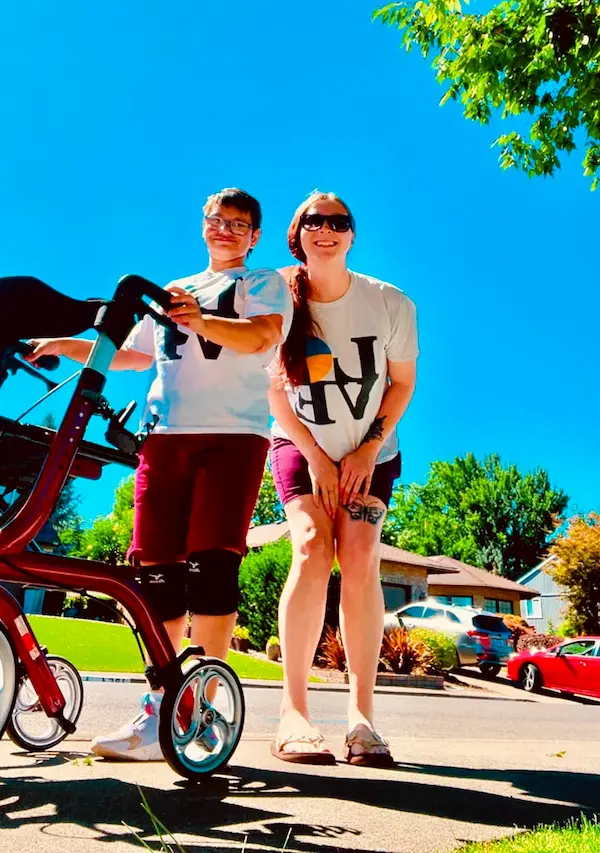
Getting out for a walk in the community is great exercise and also builds familiarity and connection with neighbors.

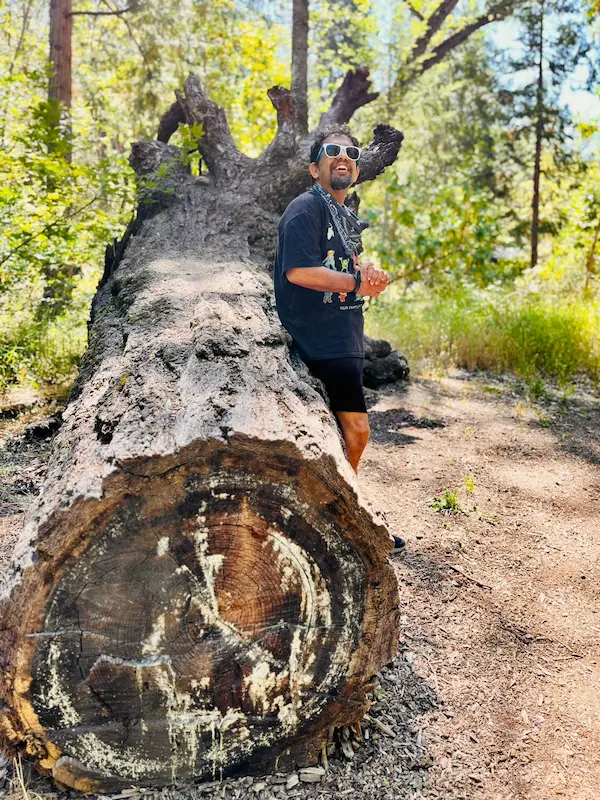
Over time, Andy’s interest in the outdoors has grown into a genuine passion for hiking and exploring.
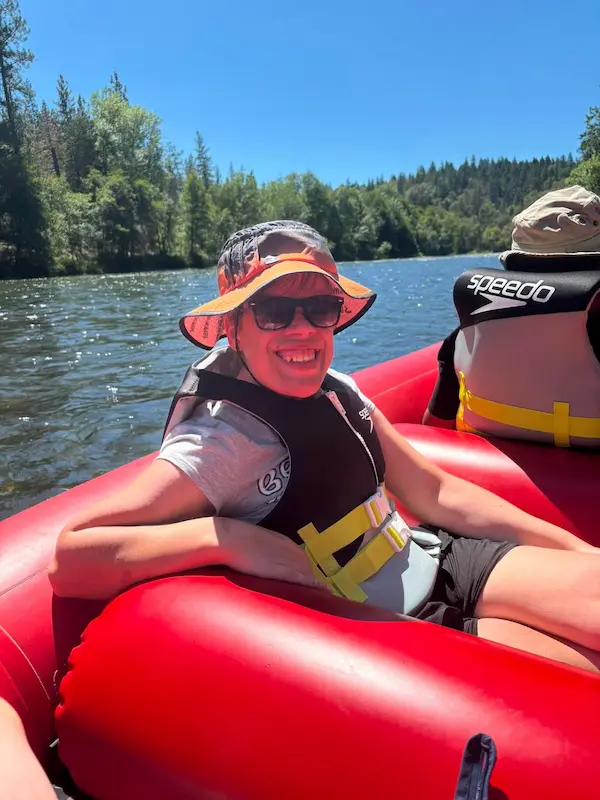
Whether it’s a day on the river or a trip through the neighborhood, everyday moments of connection are the foundation of a full and active life.
That confidence can show up in many ways such as going to the gym, navigating a self-checkout line, striking up a conversation with a neighbor, or preparing for the first day of a new job.
“The more we do things, the more confidence we build. I just don’t think independence means doing something on your own without support. When we’re in community settings with people we support, it reinforces an ‘I can do this.’”
— Ann Dahl, Director of Residential Living
Community Connection Is Essential to Well-Being
It can be tempting to view outings and community activities as something added after the “real” work of health and safety. But health, safety, and quality of life are not competing priorities. People need all three. Ann pushed back on the idea that community participation is separate from health and safety:
“We always seem to default to this health and safety realm of life. Those things are important, but I’m just not sure it outranks quality of life. Who wouldn’t want to be involved in their community? Who wants to be isolated?”
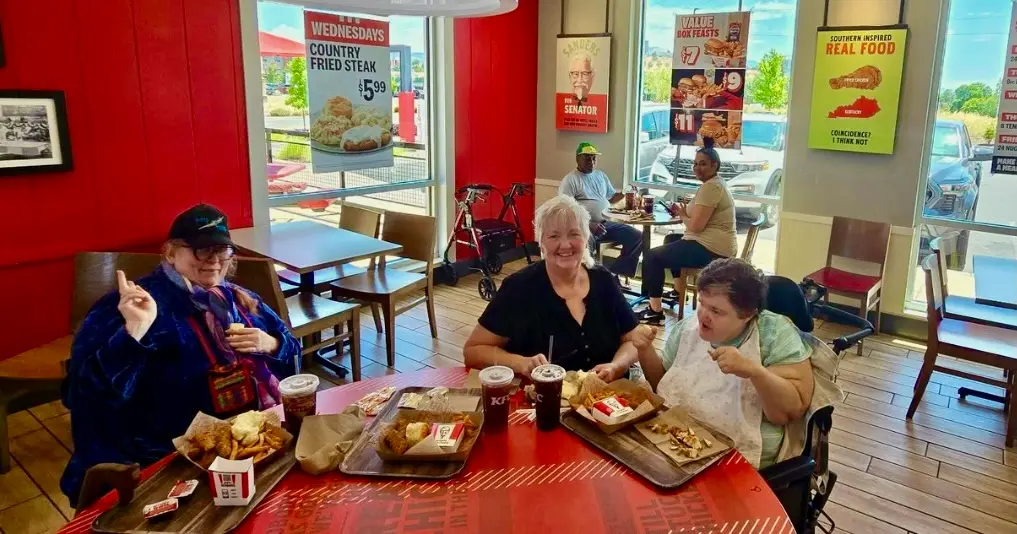
Sharing a meal is one of many everyday ways people build relationships and take part in community life.
Ann’s perspective is reinforced by the U.S. Surgeon General’s 2023 advisory, Our Epidemic of Loneliness and Isolation, which identifies social connection as a critical contributor to health and well-being. The advisory also notes that lacking adequate social connection can increase the risk of premature death at a level comparable to smoking up to 15 cigarettes a day.
For people with intellectual and developmental disabilities, meaningful access to community life is about more than getting out of the house. It creates opportunities to build relationships, pursue personal interests, stay physically active, develop confidence, and experience belonging.
What Makes an Outing Meaningful?
A successful outing is not defined by how elaborate it is. It is defined by whether the experience matters to the person taking part.
When asked what makes an outing successful, Ann focused less on the activity itself and more on whether it holds meaning for the person:
“A successful outing is one where the person is engaged with that community, whatever it is. Are they pursuing interests they want to pursue? Is the interaction meaningful to the person?”
That could mean camping at Howard Prairie, visiting the Ashland Airport, strolling through a crafts fair, or enjoying a community event. What matters is choice, participation, and the chance to experience something meaningful alongside others.
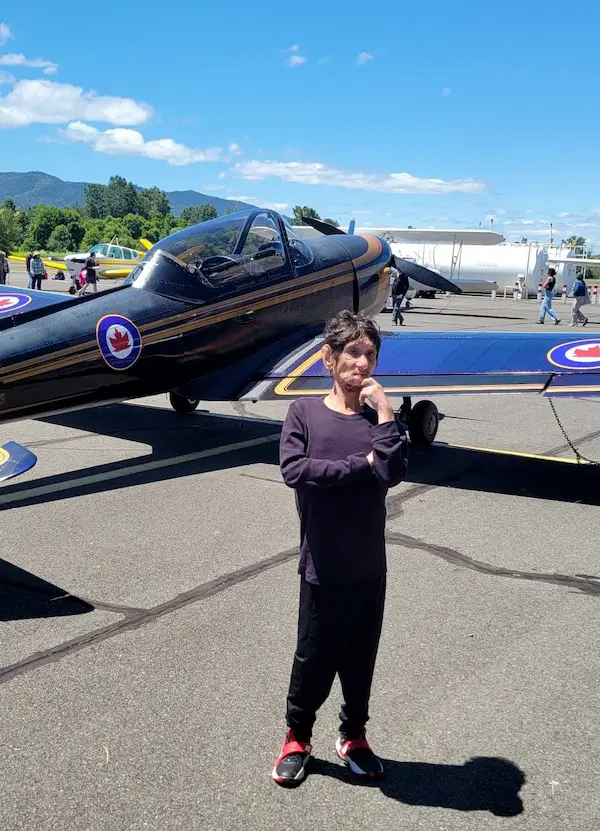
Exploring the Ashland Airport is more than a chance to see airplanes up close. It’s an opportunity to discover a local place, learn something new, and be part of the community.
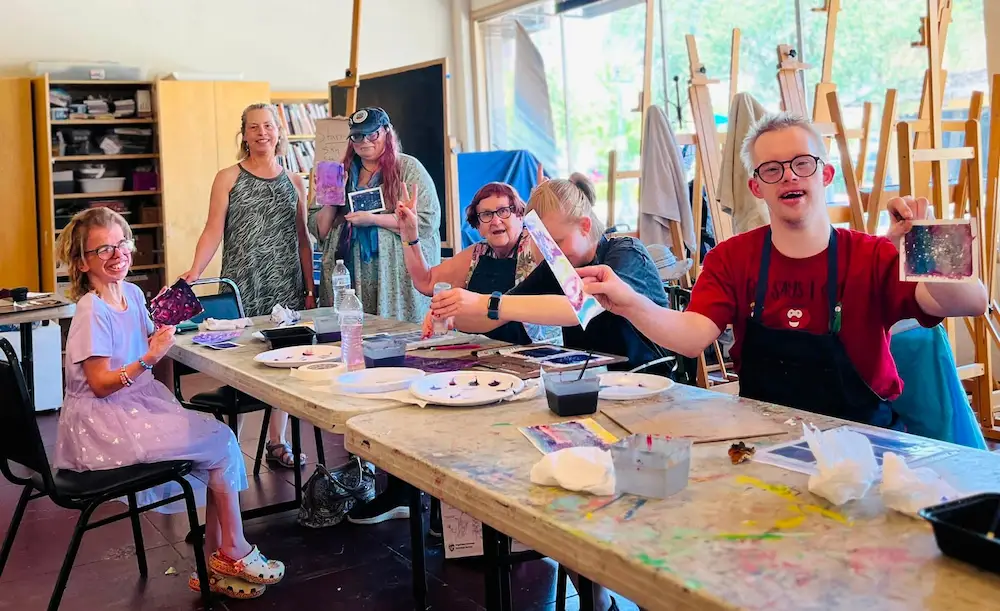
At Rogue Gallery’s Family Art Day, participants explored their creativity, connected with others, and took part in a shared community experience.
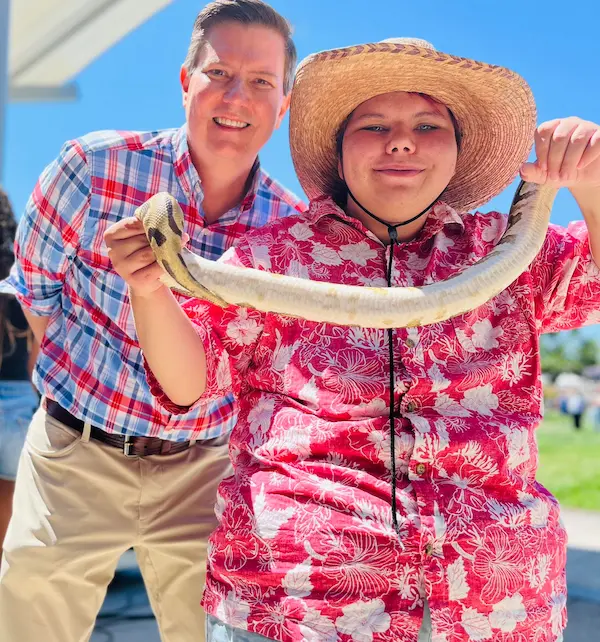
Oliver shares a fun moment with the mayor at a local community event. Moments like these are part of what it means to be connected to the community.
The Community Benefits, Too
Community engagement is never a one-way transaction. When people with disabilities participate fully in community life, the community becomes stronger, more welcoming, and more connected. Ann also emphasized that community engagement benefits everyone involved:
“I honestly think that’s why I love my job: getting to see the community become more human as a result of being able to participate. Being able to see a human as they are is a gift. When it’s reciprocated, that’s where you really get to experience the fullness of it.”
— Ann Dahl, Director of Residential Living
These interactions remind all of us that the ordinary parts of life are worth savoring: a favorite lunch spot, time outside, a new activity, a shared laugh, or the excitement of seeing something for the first time.
Why This Work Needs Support
Living Opportunities receives state funding for essential direct services, including medication management, meal preparation, and appointments. But the quieter work of supporting community connection, including transportation, extra staff time, planning, relationship-building, and repeated opportunities to explore interests, is much harder to measure and, consequently, much harder to fully fund.
Yet its impact is clear in the confidence people build, the friendships they develop, the interests they pursue, and the fuller lives they create in the Rogue Valley. Ann put it simply:
“Community engagement is a human experience, not a disability service. It’s difficult to chart and note an outcome for a community engagement activity. But nobody could argue, if you look at our photos of people enjoying life in the Rogue Valley, the success of what community engagement does for a person.”
— Ann Dahl, Director of Residential Living
The hikes, lunches, swims, neighborhood walks, and weekly outings that may never make headlines are not separate from the real work.
They are the real work.
Your support helps ensure that people with disabilities can pursue their interests, build relationships, and take part in the everyday life of our community with choice, confidence, and dignity.
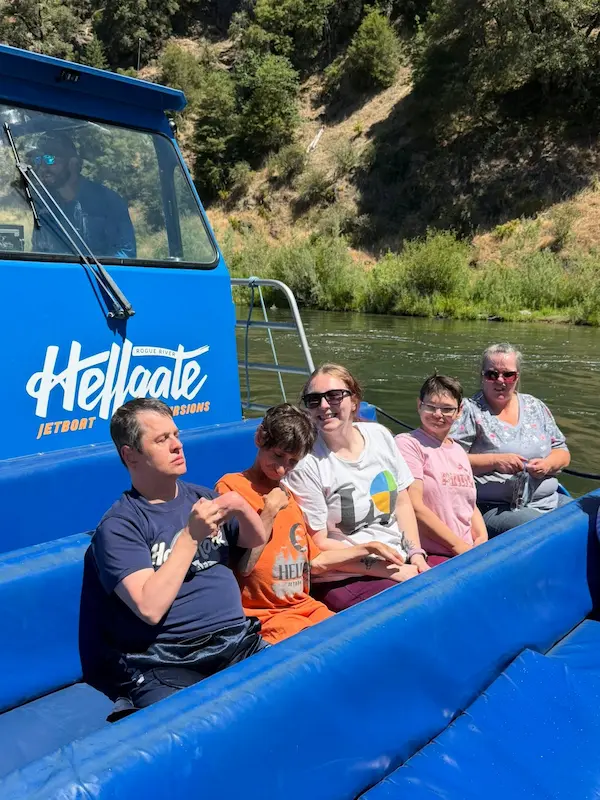
Spending a day on the scenic Rogue River is a wonderful way to enjoy Southern Oregon.
Learn More About Our Community
-
What Does It Take To Be a Direct Support Professional?
Three Direct Support Professionals share their experiences: building trust, celebrating small victories, and helping people live life on their own terms.
-
A Ragtag Campout Becomes a Cherished Tradition
Every summer, Living Opportunities hosts two camping trips where campers fish, swim, and gather around the campfire, building confidence, friendships, and unforgettable memories.
-
Business Partner Spotlight: Rogue Credit Union
Living Opportunities couldn’t fulfill its mission without community partners like Rogue Credit Union. Discover how this long-standing partnership is helping build a stronger, more inclusive Southern Oregon.