Live

Technology That Opens Doors
Inside Living Opportunities’ Tech Solutions Lab
November 11, 2026
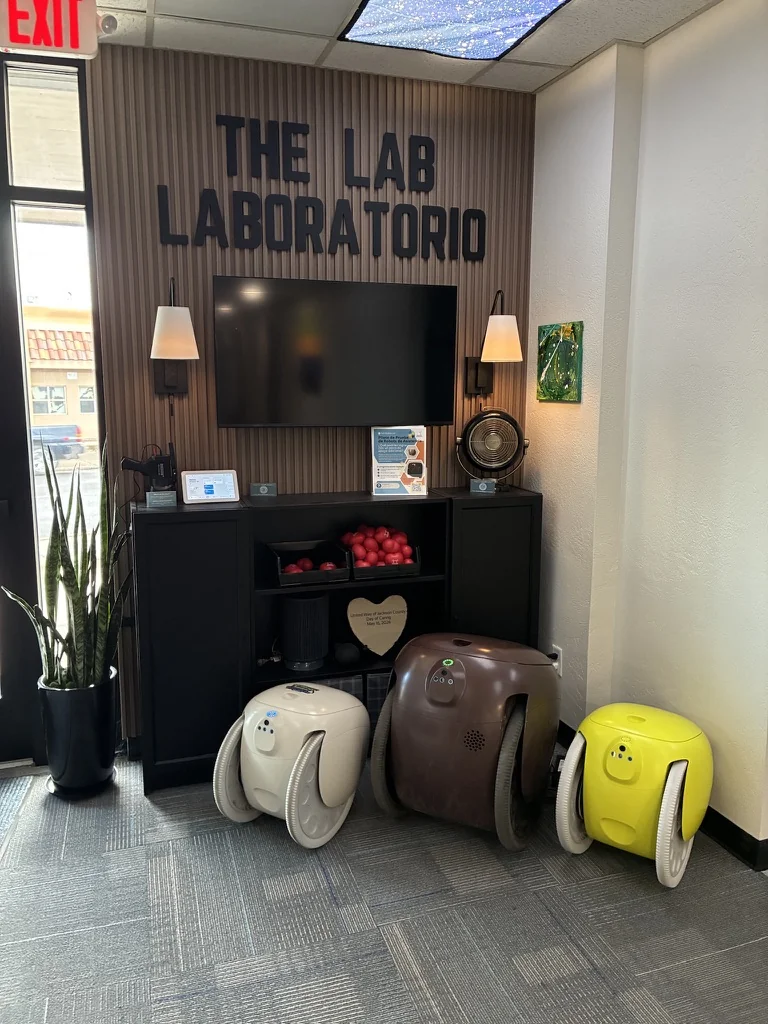
Living Opportunities' Tech Lab allows people with disabilities to try out technology that can lead to greater independence.
For people with intellectual and developmental disabilities, the right technology can open doors to greater independence, new experiences and more opportunities to participate in everyday life. Finding that technology, and knowing whether it will actually work, is another matter.
Living Opportunities' Tech Solutions Lab brings emerging and everyday technologies together in one place, giving people the chance to explore what's available, try new tools and discover what might work for them. From customized accessories made with a 3D printer to smart home devices, communication tools and service robots, the Tech Lab is part of the organization's larger commitment to helping people build independence, develop new skills and have greater control over their daily lives.
Bringing Technology Closer to Home
The idea for the Tech Lab grew out of a practical need. Many assistive technology lending libraries and demonstration opportunities are concentrated in the Willamette Valley. Specialized technology can be expensive, and investing in a device without knowing whether it will work for someone can be a costly gamble.
“Having a lab in Southern Oregon allows us to actually get our hands on assistive tech equipment and let people come in and do hands-on demonstrations,” says David Van Hook, Living Opportunities’ director of IT and assistive tech.
The lab also introduces people to a broader range of technology than they might associate with disability services. Everyday products like smart home devices and noise-canceling headphones can be practical solutions. What matters isn’t whether a device was designed specifically for people with disabilities. It’s whether it works for the person using it.
Finding the Right Fit for Each Person
That person-centered approach is at the heart of the Tech Lab. Van Hook offers the example of someone who uses a communication device to express choices and preferences. A specialized device might offer exactly the right features, but if it’s large and clunky and makes the person feel different, they may not want to use it. An iPad might offer similar capabilities in a more familiar format, and it’s far more affordable. Specialized communication devices can cost $3,000 to $5,000, while an iPad costs under $1,000 and can also be used for music, games and tools that help ease anxiety. For someone else, the specialized device might be the better choice. Preferences, abilities and individual needs all matter.
“It’s not trying to fit the human being into the technology. It’s really trying to find the tech that works for that particular human being.”
David Van Hook, Director of IT and Assistive Tech
“The Tech Lab helps give you that idea of what is possible,” Van Hook says. By giving people the chance to see, touch and experiment with different tools, the lab encourages them to think about what might make a difference in their own lives.
Small Solutions, Meaningful Impact
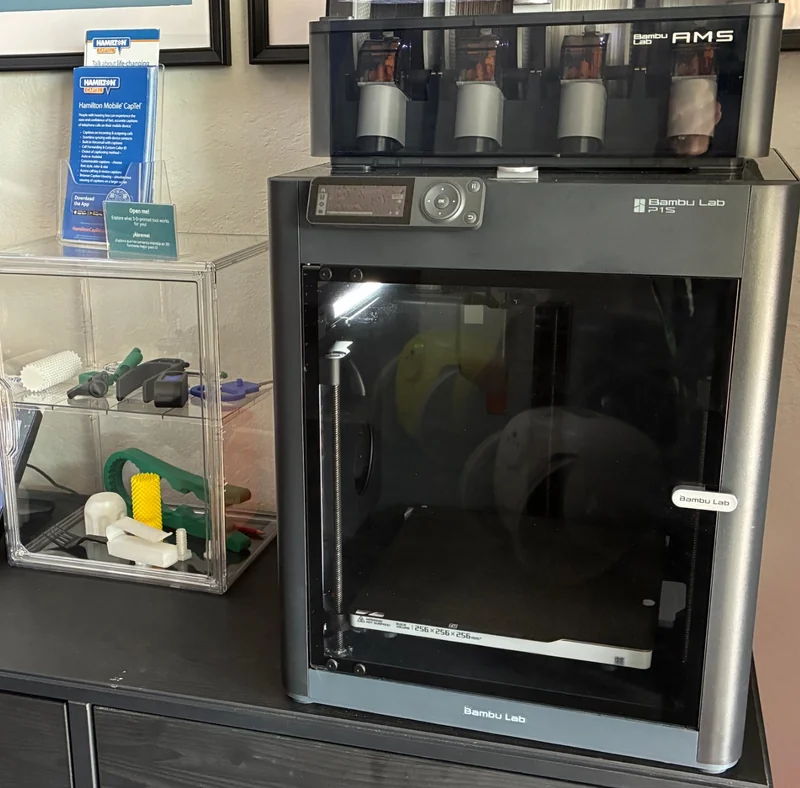
Some of the Tech Lab’s most compelling solutions are also among the simplest. Its 3D printer has become a way to create customized accessories for very specific everyday challenges.
One person who works in janitorial services had difficulty managing cleaning supplies while using a walker. The team designed and printed a small attachment that holds a duster and cleaning materials, making it easier to move from task to task without carrying everything.
Another project began with a woman who uses a wheelchair and loves both coffee and her dog. Holding a drink while keeping her dog in her lap was difficult, and commercial wheelchair cup holders can cost around $80. The team printed a custom holder for less than 30 cents in materials, and now she can enjoy her coffee and her dog at the same time.
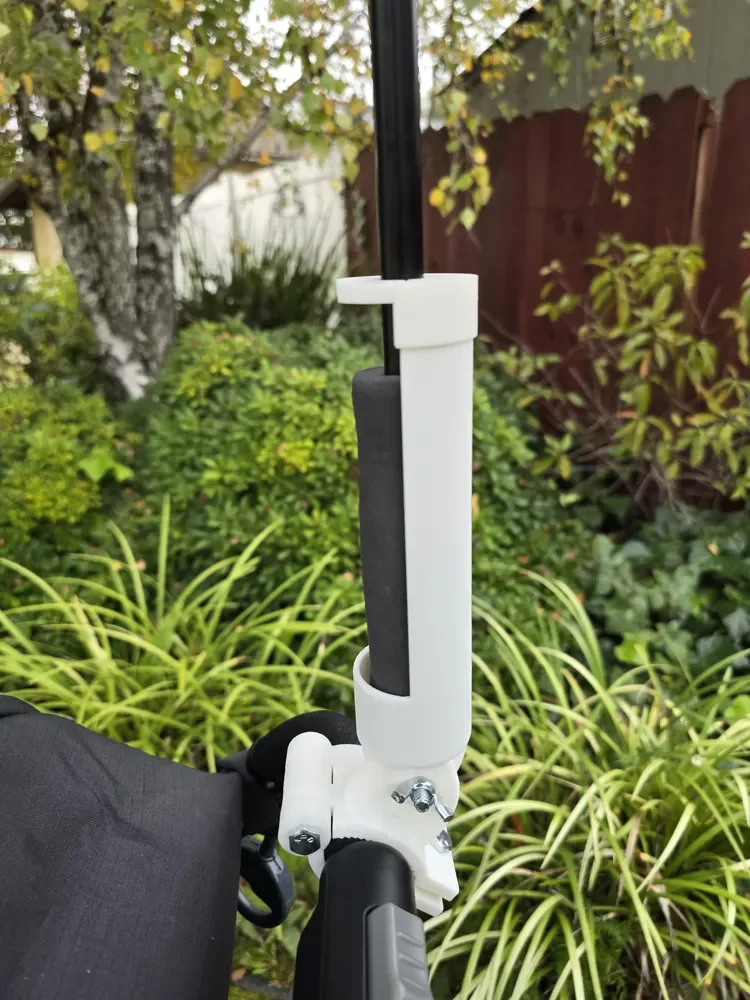
Someone else who uses a wheelchair wanted a way to stay shaded outdoors. After experimenting with several designs, the team created a removable, adjustable umbrella holder that attaches to the wheelchair.
Exploring What’s Possible
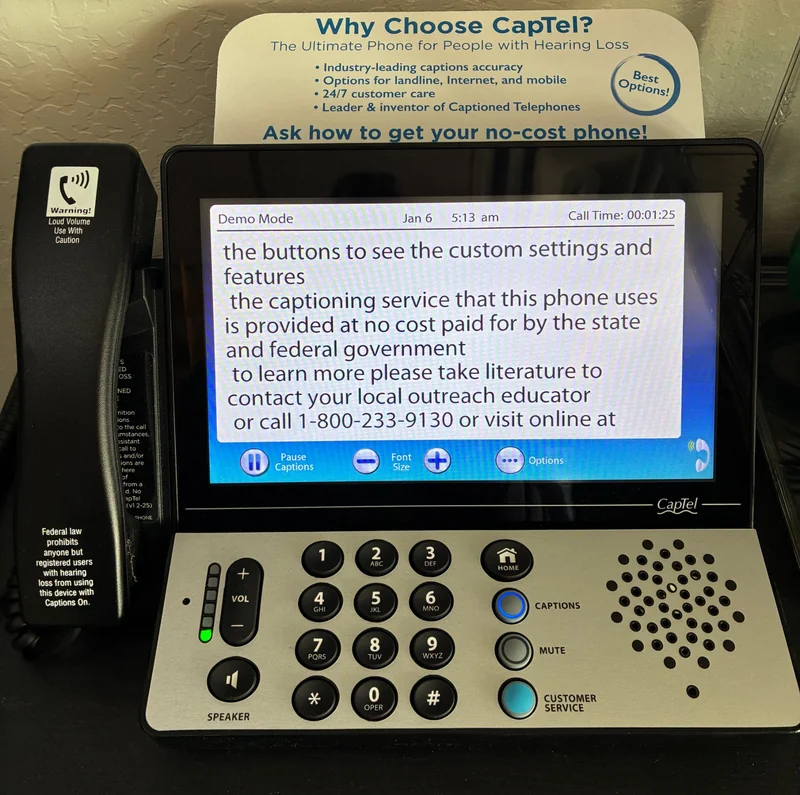
Beyond the 3D printer, the Tech Lab includes a variety of devices that show how technology can support everyday activities and greater independence. An Amazon Alexa device demonstrates how voice commands can control lights, fans and other household features. A smart doorbell camera lets someone see who’s at the door before deciding whether to answer, offering reassurance for both the individual and their family. A captioned telephone makes conversations easier for people who are hard of hearing. And through a partnership with Dose Health, the lab is adding smart medication dispensers so people can see how different devices might help them remember and organize their medications.
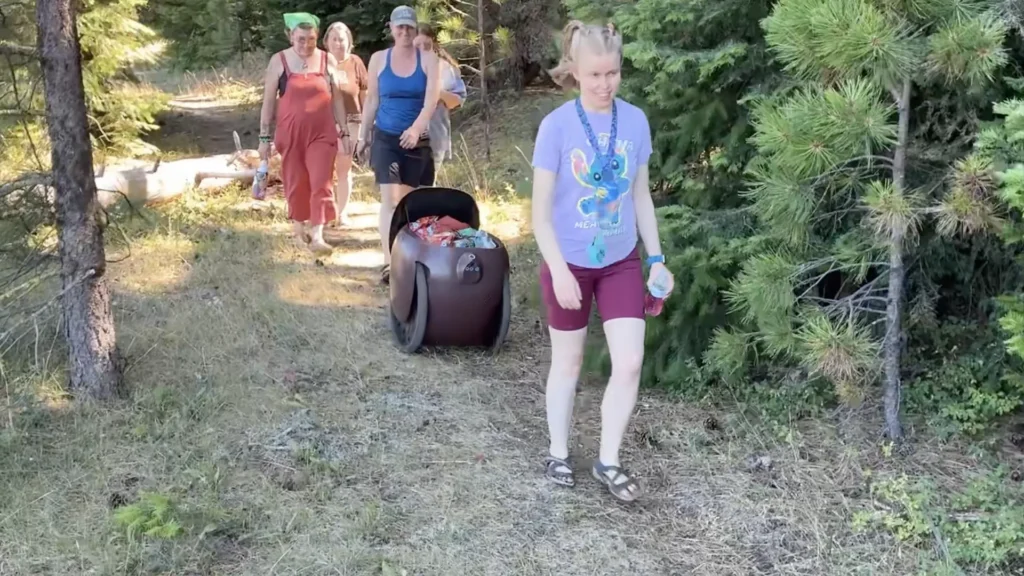
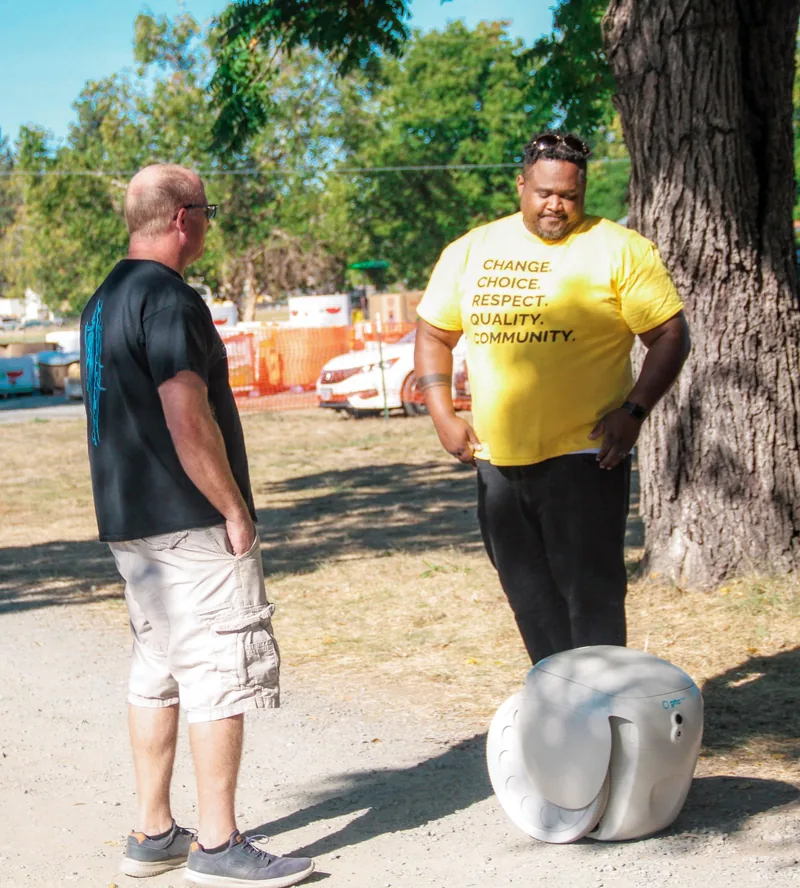
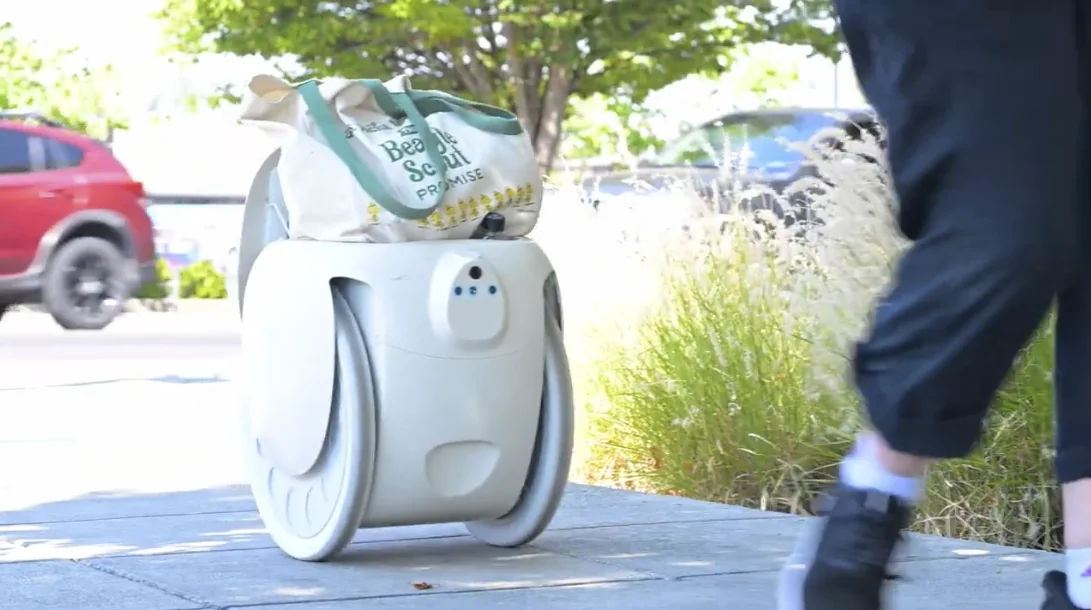
Service robots are another major focus. Living Opportunities has been exploring the potential of gita robots made by Piaggio Fast Forward (PFF). Designed to follow their users while carrying belongings, the robots offer what Van Hook describes as an extra set of hands, and they’ve been put to work on camping trips, hikes and fishing outings. PFF has partnered with Living Opportunities to learn how the robots are being used in the disability community and has donated additional robots to support the work. Today, the Tech Lab’s three robots, Loppy, Coco and Lumi, are also some of its best conversation starters.
Read more about Living Opportunities’ work with service robots.
More Than a Room Full of Technology
For Van Hook, the Tech Lab is about more than demonstrating products. It’s also a way to build relationships with technology companies and help ensure that people with disabilities have a voice in how products are developed. Through partnerships with manufacturers and innovators, Living Opportunities can share feedback about what works, what doesn’t and what could be improved.
That perspective matters as new technologies emerge. Van Hook points to Living Opportunities’ conversations with Waymo about self-driving vehicles as an example. Autonomous transportation offers exciting possibilities, but questions about accessibility, getting in and out of vehicles, and the needs of passengers with disabilities must be part of the conversation. People with disabilities, he believes, should have a seat at the table when new technologies are designed.
Looking Toward the Future
Living Opportunities was founded in 1974 by families seeking alternatives to institutional care, and it has continued to look for new ways to help people build lives shaped by their own interests, goals and choices. For Van Hook, technology is another way to advance that vision. He describes a future in which people have more natural supports, including technology, that help them live fulfilling and increasingly independent lives.
Technology won’t eliminate the need for human connection or personal support. But the right tools can remove barriers, create choices and give people more control over their daily lives. And sometimes, as a simple 3D-printed coffee cup holder shows, a small idea can make a surprisingly big difference.
See the Tech Lab for Yourself
Do you want to meet Loppy, Coco and Lumi? Inside Living Opportunities, a free monthly open house at the organization’s Medford headquarters, includes a tour of the Tech Lab and its service robots, along with a look at how Living Opportunities supports people throughout Southern Oregon. Click here to learn more, or contact Lorie List at Lorie.List@livingopps.org to RSVP.
Learn More About Our Community
-
Alex Iverson | Featured Artist | 2026 Holiday Art Show & Sale
Alex Iverson has been part of The Studio at Living Opportunities for two decades. An impressionistic quality can be seen throughout his body of work, reflecting his distinctive artistic style.
-
An Extra Set of Hands: How Service Robots Are Helping People Do More
For four years, Living Opportunities has been testing gita service robots in its Tech Lab and on outings across Southern Oregon. Here’s what we’re learning about how technology can support independence.
-
Jazmyn Jenkins: Let’s Go Look at the Storms
There’s no typical day for Jazmyn Jenkins. In five years as a DSP, she’s learned that the work is about getting to know each person, building trust, and showing up.